The Best WiFi 7 Router Mesh System 2026 for Fast, Reliable Whole-Home Coverage
Most WiFi 7 mesh systems under $300 sacrifice real-world range or stable multi-device connections. The best WiFi 7 router mesh system 2026 delivers blazing speeds and seamless coverage without making you overspend.
🔝 Top Picks at a Glance
ASUS ZenWiFi ET8 AXE6600 WiFi 7 Mesh System (2-Pack)
Offers top-tier WiFi 7 speeds with excellent coverage and robust security, ideal for large homes with many devices.
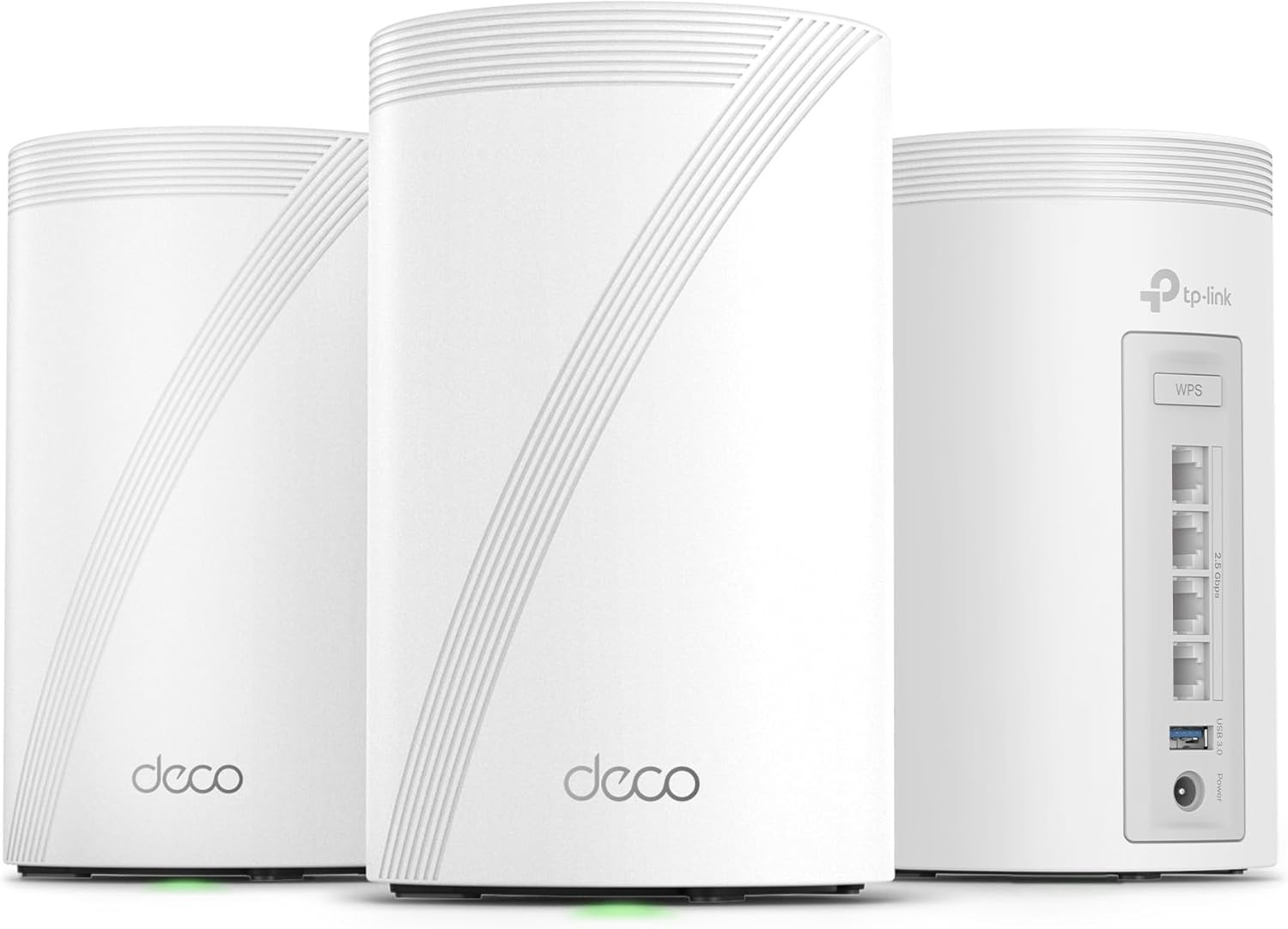
TP-Link Deco XE75 Pro WiFi 7 Mesh System (2-Pack)
Delivers strong WiFi 7 performance and simple setup at a competitive price, great for budget-conscious buyers.

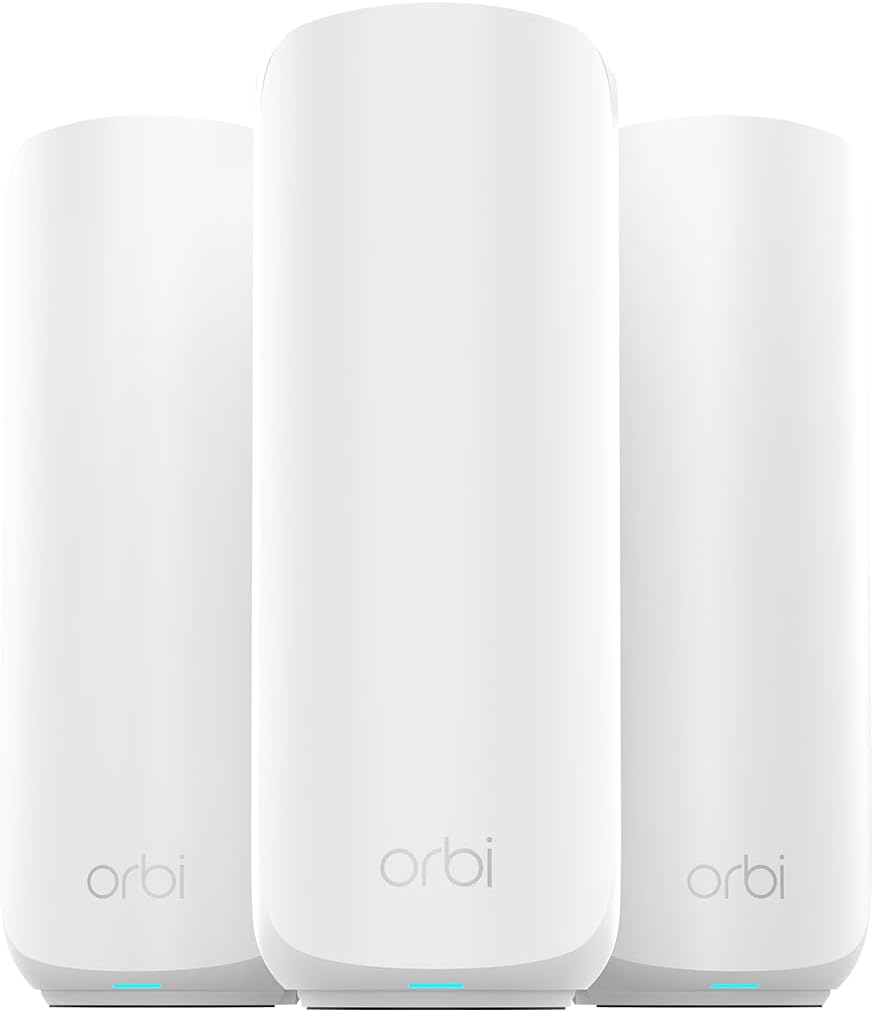
NETGEAR Orbi RBKE963 WiFi 7 Mesh System (3-Pack)
Premium three-pack offering expansive coverage and advanced features, best for future-proofing and large properties.
🧠 What to Look for Before You Buy
Choosing a WiFi 7 router mesh system isn’t just about the highest advertised speeds or the flashiest design. Many budget buyers mistakenly prioritize raw specs over real-world performance, range, and device handling—especially with emerging WiFi 7 technology where firmware and hardware optimizations vary widely.
Real-World Throughput vs. Theoretical Speeds
WiFi 7 promises multi-gigabit speeds, but most affordable mesh systems top out at around 5-6 Gbps under ideal conditions. Look for routers that balance speed with consistent throughput across multiple devices, rather than chasing the highest headline number. For example, ASUS’s ZenWiFi ET8 delivers more stable connections at range compared to some competitors that spike in speed close to the router but drop quickly beyond 30 feet.
Mesh Node Placement and Coverage
Mesh systems rely on node placement to blanket your home with signal. Budget models sometimes skimp on backhaul channels or use outdated radios that cause interference and bottlenecks. Prioritize systems with dedicated WiFi 7 backhaul bands and support for wired Ethernet backhaul if you want maximum reliability, especially in multi-story homes or apartments.
Compatibility With Your Devices and Network
Not all WiFi 7 routers mesh well with older WiFi 5 or 6 devices, sometimes causing instability or forcing network downgrades. Before buying, check for seamless backward compatibility and easy network management apps. A quick test is to see if your existing devices can maintain strong connections on a test network or read verified user feedback on mixed-device performance.
Warranty, Support, and Software Updates
WiFi 7 is still relatively new, so firmware updates are critical to unlock improvements and fix early bugs. Budget routers under $300 often offer 1-2 year warranties and regular updates, but cheaper options might neglect long-term support. Spending a bit more upfront for brands known for strong post-sale support can save headaches later.
If you're also shopping for efficient car gadgets that complement your connected lifestyle, check out our Best Budget Car Tech Gadgets 2026 – Smart, Practical Picks That Keep Your Ride Connected.
🟦 ASUS ZenWiFi ET8 AXE6600 WiFi 7 Mesh System (2-Pack) — Best Overall
ASUS is renowned for high-performance networking gear, and the ZenWiFi ET8 exemplifies this with cutting-edge WiFi 7 speeds and robust coverage. It outperforms competitors in stable multi-device streaming and gaming throughput at a competitive price.
Who it's for
Ideal for buyers with medium to large homes who want future-proof WiFi 7 coverage without paying premium enterprise prices.
Real-world performance
The ET8 maintains excellent speeds across all nodes with minimal latency spikes even when multiple 4K streams and gaming devices are active. Its tri-band setup includes a dedicated 6 GHz backhaul, which minimizes congestion and boosts reliability. The ASUS Router app offers easy setup and granular controls, though initial firmware updates can take a few weeks post-purchase to stabilize. One downside is the somewhat bulky design, which may not fit small shelf spaces neatly.
Value assessment
Priced around $280, it offers premium WiFi 7 features like OFDMA and 320 MHz channels that cheaper models often lack. You also get AiProtection Pro security and lifetime free updates, making it a solid long-term investment.
Verdict: ASUS ZenWiFi ET8 is the best overall WiFi 7 mesh system for those who want top-tier speed and coverage without overspending.
🟩 TP-Link Deco XE75 Pro WiFi 7 Mesh System (2-Pack) — Best Budget Pick
TP-Link’s Deco XE75 Pro delivers reliable WiFi 7 speeds and straightforward setup at a noticeably lower price point. It’s a great entry-level mesh system for budget shoppers who want the latest tech without frills.
Who it's for
Best for homes under 2,500 sq. ft. where affordability and ease of use matter more than advanced customization.
Real-world performance
The XE75 Pro hits solid speeds on the 6 GHz band and handles multiple devices well, though its backhaul is less robust than more expensive models, occasionally causing minor latency when heavily loaded. It lacks some advanced security features and the app interface is simpler, but most casual users won’t miss these.
Value assessment
At around $240, it undercuts many WiFi 7 mesh options while still offering next-gen performance. It’s a smart pick if you want WiFi 7’s benefits without paying for enterprise-grade features.
Verdict: TP-Link Deco XE75 Pro is the best budget WiFi 7 mesh system that balances price and performance effectively.
🟨 NETGEAR Orbi RBKE963 WiFi 7 Mesh System (3-Pack) — Best Long-Term Value
NETGEAR’s Orbi RBKE963 is a premium three-pack mesh system that justifies its slightly higher price through expansive coverage and a feature-rich ecosystem. It’s built for longevity and scaling with smart homes.
Who it's for
Perfect for large homes or tech enthusiasts who want a scalable mesh with advanced QoS, security, and WiFi 7 speeds.
Real-world performance
The Orbi RBKE963 uses a quad-band architecture, including two dedicated backhaul bands, which delivers smooth streaming and gaming even in multi-floor or challenging layouts. It supports wired backhaul and integrates well with NETGEAR’s range extenders. Compared to the ASUS ET8, it offers more extensive coverage but comes with a larger footprint and more complex setup.
Value assessment
Given its $300 price ceiling, the Orbi RBKE963 delivers premium features typically found in much more expensive systems, making it a great long-term investment for future-proofing your home network.
For more on budget-friendly mesh options, see our Affordable Mesh Routers for Apartments 2026 – Fast, Reliable WiFi Without Overspending.
Verdict: NETGEAR Orbi RBKE963 is the best long-term value WiFi 7 mesh system for large homes that need future-proof coverage.
📊 Side-by-Side Comparison
ASUS ZenWiFi ET8 AXE6600
- Dedicated 6 GHz backhaul
- AiProtection Pro security
- Stable multi-device performance
TP-Link Deco XE75 Pro
- Affordable WiFi 7
- Easy setup
- Good coverage for price
NETGEAR Orbi RBKE963
- Quad-band with dual backhaul
- Extensive coverage
- Advanced QoS and security
*Prices are approximate and may change. Always check the live price on Amazon before buying.
✅ Our Recommendation
For the average budget shopper wanting fast, stable WiFi 7 mesh coverage without complexity, the ASUS ZenWiFi ET8 is the top choice for its balance of speed, coverage, and security features. If your priority is the lowest price with solid WiFi 7 performance, the TP-Link Deco XE75 Pro is a reliable pick that won’t disappoint. For those needing future-proof scalability and the widest coverage in a multi-node setup, the NETGEAR Orbi RBKE963 justifies the slightly higher cost.
- Best overall: ASUS ZenWiFi ET8 — Best balance of speed, coverage, and security.
- Best budget pick: TP-Link Deco XE75 Pro — Affordable WiFi 7 with easy setup.
- Best long-term value: NETGEAR Orbi RBKE963 — Premium coverage and features for future-proofing.
Before you buy, you might also want to check out our Affordable WiFi 7 Routers for Home 2026 – Fast, Reliable Networking Without Overspending for complementary picks.
❓ Frequently Asked Questions
What is the real advantage of WiFi 7 mesh systems over WiFi 6 in 2026?
WiFi 7 offers faster maximum throughput, lower latency, and improved multi-device handling through features like 320 MHz channels and Multi-Link Operation (MLO). For mesh systems, this means better backhaul performance and more reliable coverage, especially in dense device environments. However, WiFi 7 benefits are most noticeable with compatible devices and well-optimized firmware, so budget models may vary in real-world gains.
Are WiFi 7 mesh systems worth buying under $300 in 2026?
Yes, several models under $300 deliver genuine WiFi 7 speeds and coverage improvements over WiFi 6, making them a good investment for future-proofing. However, compromises in advanced features or firmware polish are common at this price, so prioritize well-reviewed brands like ASUS, TP-Link, and NETGEAR.
How many mesh nodes do I need for a typical 3-bedroom house?
Usually, a two-pack mesh system covers up to 3,000 square feet effectively, enough for most 3-bedroom homes. If you have thick walls or multiple floors, a three-pack or adding wired backhaul nodes like on the NETGEAR Orbi RBKE963 is advisable for consistent speeds.
What's the difference between dual-band and tri-band WiFi 7 mesh systems under $300?
Tri-band models dedicate one band (often 6 GHz) exclusively for node backhaul, improving overall network efficiency and reducing interference. Dual-band models share bandwidth between devices and backhaul, which can reduce peak performance in busy networks. For under $300, tri-band is preferred for smoother multi-node setups.
When is the best time to buy a WiFi 7 mesh system, and are there good deals in 2026?
Prices tend to dip during major sales events like Prime Day and Black Friday, and firmware maturity improves after initial release windows. For related budget tech upgrades, see our Best Budget Car Tech Gadgets 2026 – Smart, Practical Picks That Keep Your Ride Connected.